
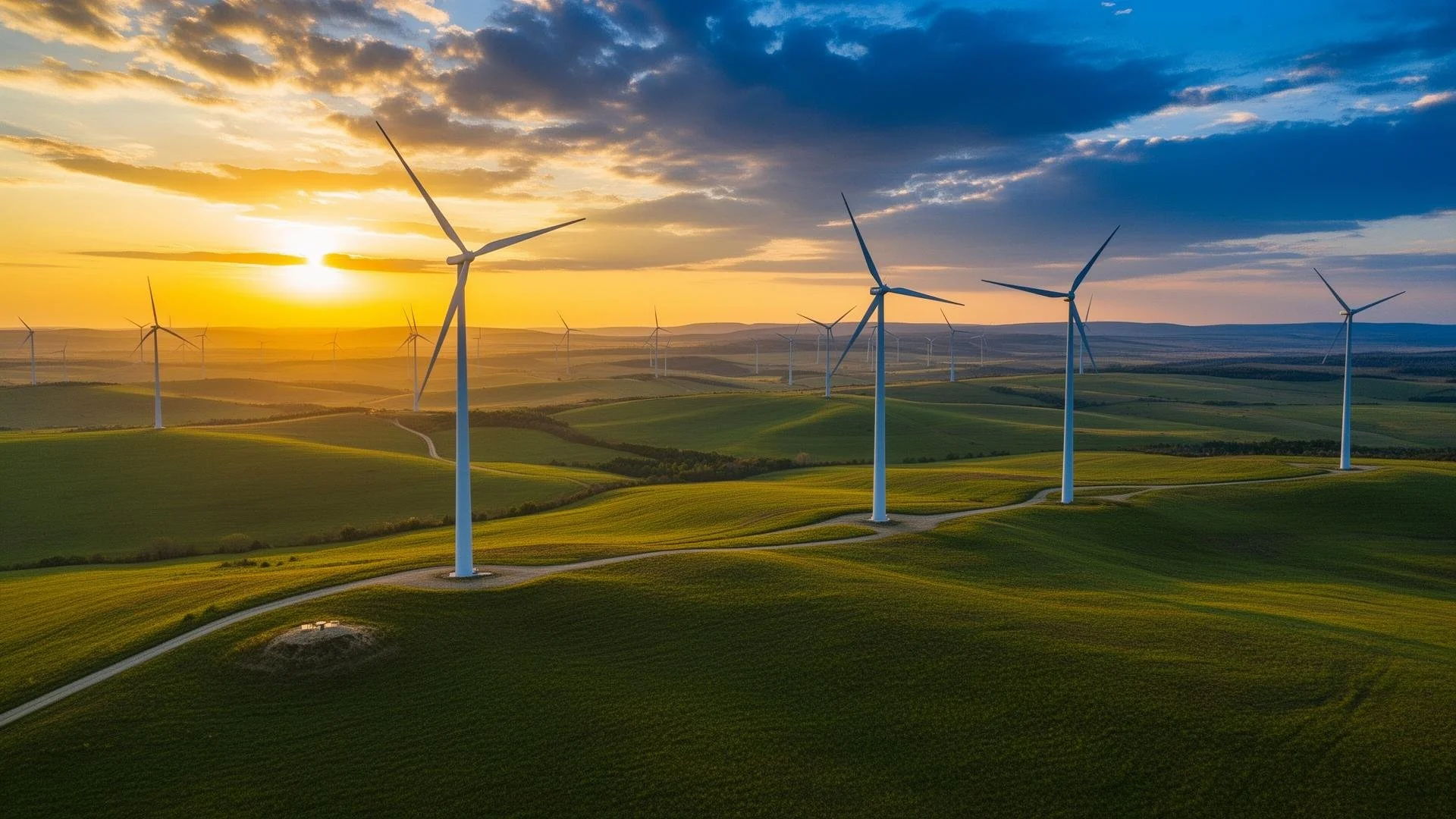
LiDAR technology - the modern approach
to wind measurements
Guidelines for wind measurements
using stand alone LiDAR device
Wind measurements are a critical component of wind farm development and energy yield assessments. Traditionally, wind measurements have been performed using meteorological masts equipped with calibrated cup anemometers and wind vanes.
Remote sensing technologies such as LiDAR (Light Detection and Ranging) have matured significantly and can now be used as a supplement or alternative to met masts in many measurement campaigns.
-
Before a LiDAR system can be used for wind measurements in project development, the device should have undergone verification testing against reference instruments.
Verification tests compare LiDAR measurements with calibrated sensors on a meteorological mast to ensure traceability to national measurement standards.
Two types of reports are typically required:
Device Verification Test
Performed for each individual LiDAR unit
Conducted through comparison with calibrated mast instruments
Demonstrates measurement accuracy and identifies systematic deviations
If systematic differences are detected, correction transfer functions may be derived and applied to the LiDAR measurements.
Device Classification Test
A classification test evaluates the general performance of a LiDAR model and its sensitivity to environmental conditions such as:
wind shear
turbulence intensity
atmospheric stability
Unlike verification tests, classification tests apply to the instrument type rather than individual units.
-
During a measurement campaign, LiDAR data should be regularly monitored and validated.
Industry guidelines recommend either:
using a control mast (minimum height ~40 m) to monitor measurement consistency, or
performing a second verification test after the campaign.
The purpose of this monitoring is to detect potential issues such as:
instrument drift
systematic bias
data filtering problems
periods of abnormal measurement behavior
Continuous monitoring helps ensure that the collected dataset remains reliable for wind resource analysis.
-
Many LiDAR systems measure wind using multiple probe volumes in space and assume that wind conditions are uniform across those volumes.
In complex terrain this assumption may not always hold, which can introduce measurement errors.
To address this, several approaches can be applied:
Flow Modelling
Three-dimensional flow models (CFD) can be used to:
evaluate potential measurement errors
estimate corrections to LiDAR measurements
Internal or External Corrections
If corrections are applied using models or internal algorithms:
the correction methodology must be transparent and validated
an additional uncertainty component should be considered
Use Together with Met Masts
In complex terrain, LiDAR measurements are often used together with at least one meteorological mast.
In this configuration LiDAR provides additional information on wind flow patterns and helps validate the wind flow model. -
When LiDAR data is used in wind resource assessments, the measurement uncertainty must be evaluated.
Typical uncertainty components include:
uncertainty from the verification test
sensitivity of the LiDAR to environmental conditions
uncertainty related to probe volume assumptions
possible misalignment of the instrument
uncertainty observed during campaign monitoring
These uncertainties must be considered when estimating the final wind resource uncertainty.
-
LiDAR systems can provide a wide range of wind parameters that are useful for wind resource studies.
Typical outputs include:
horizontal wind speed
wind direction
vertical wind speed
turbulence intensity
wind shear
wind veer
rotor equivalent wind speed
extreme wind speeds within a 10-minute period
Verification of these parameters should be performed when they are required for the specific application.
-
Measurement campaigns must cover a representative range of meteorological conditions.
Short measurement periods may not capture seasonal variations in wind behavior.
As a general guideline:measurement periods below 3 months should be avoided
longer campaigns are often required in areas with strong atmospheric stability effects.
LiDAR measurements may experience data gaps due to factors such as:
precipitation
fog
low aerosol concentrations
power outages
internal instrument filtering
These periods should be identified and excluded from the analysis.
-
LiDAR systems are often used together with meteorological masts to extend measurements to turbine hub heights.
When both systems operate simultaneously, the typical approach is:
Determine the wind speed ratio between two heights measured by the LiDAR.
Apply this ratio to the mast measurements at the common height.
Estimate wind speed at the target height.
This approach reduces systematic LiDAR measurement errors and improves extrapolation accuracy.
How to design a bankable wind measurement campaign
Wind measurements are one of the foundations of a bankable wind project. Poor measurement design can introduce significant uncertainty into the energy yield assessment and ultimately affect project financing.
A well-designed measurement campaign should provide reliable wind data that can be confidently used in wind resource assessments and reviewed by independent engineers.
-
Before installing any equipment, the purpose of the measurement campaign should be clearly defined.
Typical objectives include:
Greenfield wind resource assessment
Extending measurements to turbine hub height
Reducing uncertainty in energy yield assessments
Verifying wind conditions during project acquisition
Complementing existing meteorological mast data
The campaign design will depend on the specific objective.
-
Wind measurements can be performed using:
Meteorological masts
Remote Sensing Device systems (LiDAR or SoDAR)
A combination of both
In many modern projects, LiDAR systems are used either as a supplement to met masts or as a flexible alternative when installing tall masts is difficult.
The choice depends on factors such as:
terrain complexity
turbine hub height
permitting constraints
campaign duration
-
Measurement equipment should be located where it captures wind conditions representative of the wind farm area.
Important considerations include:
distance from obstacles such as forests, buildings, or terrain features
exposure to the dominant wind directions
avoidance of flow disturbances
A poorly located instrument can introduce bias that cannot be corrected later.
-
Modern turbines have rotor diameters exceeding 150–200 m.
Measurements should ideally cover:
the hub height
the lower and upper rotor tip heights
This allows accurate evaluation of:
wind shear
rotor equivalent wind speed
vertical wind gradients
These parameters are important for energy yield assessments.
-
Once installed, the measurement system should be monitored regularly to ensure data quality.
Typical monitoring activities include:
checking data availability
verifying instrument status
identifying abnormal data patterns
documenting downtime or maintenance events
Early detection of issues can prevent significant data loss.
-
Wind measurements should capture a representative range of atmospheric conditions.
Typical campaign durations are:
12 months or longer for greenfield projects
6–12 months when measurements complement existing datasets
Short measurement periods of minimum 3 months are acceptable if the site does not “suffer“ from seasonal variability.
-
Proper documentation is essential for bankable studies.
Measurement campaigns should include clear records of:
instrument specifications
installation details
verification reports
maintenance events
data filtering procedures
Transparent documentation increases confidence in the dataset.
-
Meteorological masts have been the traditional solution for wind measurement for decades. However, as turbine hub heights continue to increase, installing very tall masts has become more complex, expensive, and sometimes impractical. Ground-based LiDAR systems provide a flexible alternative for many wind measurement campaigns.
Tall masts introduce structural risks and require regular maintenance and inspections.
LiDAR systems operate from ground level and avoid many of the logistical and safety challenges associated with tall structures. -
A meteorological mast typically requires:
civil works and foundations
crane installation
multiple permits
aviation lighting and marking
LiDAR systems can usually be installed within a few hours, making them suitable for projects where time is critical.
-
Because LiDAR units are portable, they can be:
relocated within the project area
used sequentially across multiple sites
deployed in locations where mast construction is difficult
This flexibility can help developers collect representative wind measurements across larger project areas.
-
LiDAR systems are often used together with meteorological masts, rather than replacing them entirely.
Typical combined use cases include:
extending measurements to hub height
verifying mast measurements
measuring wind shear above the mast top
reducing uncertainty in energy yield assessments
-
When deployed following accepted industry practices, LiDAR measurements are commonly used in bankable wind resource assessments and reviewed by independent engineers.
The key to reliable results is not only the technology itself but also:
correct instrument siting
proper campaign design
consistent data monitoring
transparent data processing
Why LiDAR instead of met masts?
Not sure if a LiDAR is the right solution for your site? Reach out with any questions, or if you're ready to start your measurement campaign, tell us about your wind project and we'll prepare a tailored proposal within 48 hours.